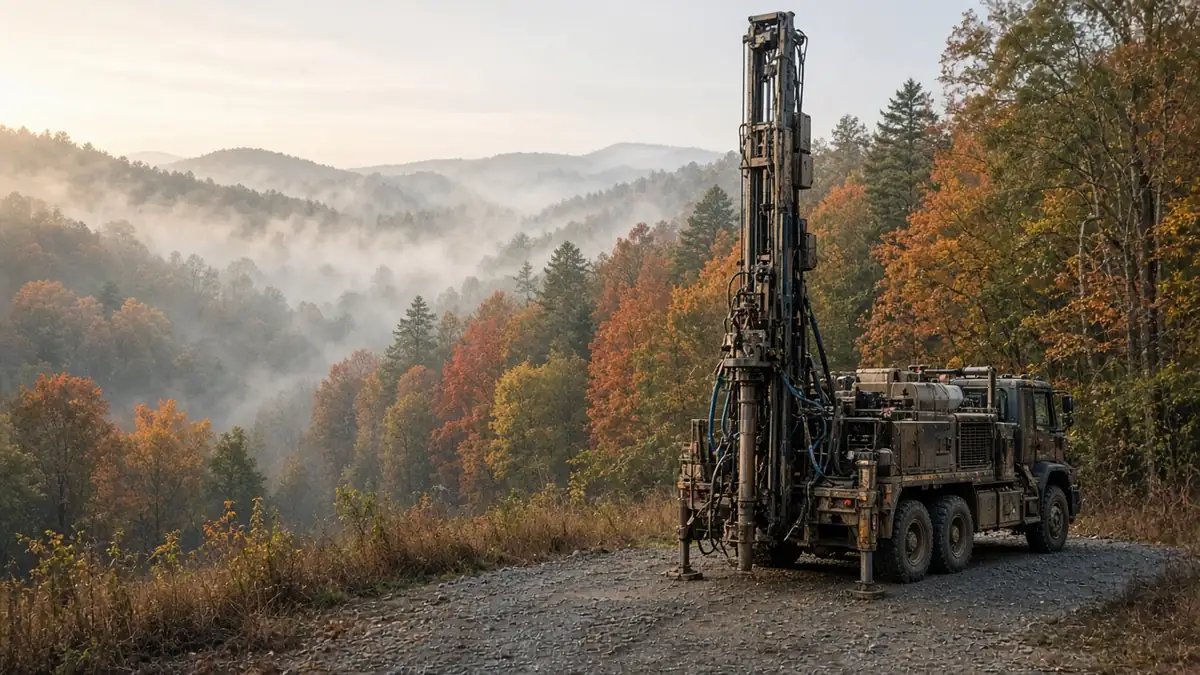
Well Drilling in Knoxville, TNGet your well project in front of the right local driller. One request. Real answers about water.
Tell us about your project once. We pass it to one independent local well driller who serves your area and handles this kind of work, and they contact you to talk through scope, schedule and price.
- New wells, pumps and repairs
- We ask drillers to confirm TDEC licensing
- Free to you, no obligation
Free matching service by Voraus LLC. We're not a well driller and don't perform the work. Independent providers quote and contract with you directly.
Start your free request
About 2 minutes · rough answers are fine
Goes to one independent provider, never a list. Privacy
From one request to a real conversation, in three steps
No accounts, no bidding wars, no list of strangers calling you.
Describe your property and need
New well, pump problem or repair, plus location and timing. A rough address or ZIP is fine to start.
We match you with one local driller
We pass your request to one independent driller who serves your county and ask them to confirm their state licensing.
The driller follows up, you decide
Expect questions about house and septic placement, rig access and any existing well. A site visit is common. You choose whether to hire the driller. Contract, permits, and payment are directly between you and them.
The simple way to get a big project moving
Tell us about your property and what you need, whether that's a new well, a pump that's quit, or water that doesn't look right. We pass your request to an independent driller who works East Tennessee, and we ask drillers to confirm their TDEC licensing. They contact you directly.
Big projects are hard to start. Finding someone who does exactly this kind of work, explaining it over and over, and waiting on callbacks eats weeks. One clear request, sent to one provider who fits it, gets you to a real conversation faster.
Start my free requestOne free request
Describe your project once instead of calling around. It's free to you, and you never pay us anything.
Matched by project type & size
We use your project type, size and location to choose which independent local well driller receives it.
You stay in control
Your request goes to one provider, not a list. Ask questions, compare other quotes, or say no.
No obligation
Sending a request doesn't commit you to anything. Any contract is between you and the provider.
Fast response goal
Our goal is to pass every complete request to a provider within one business day. When you hear back depends on the provider and the season.
Well services people request
Pick the closest match in the form and add details. The provider will confirm the rest.
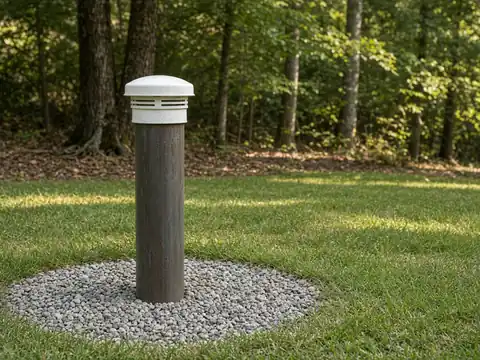
New water wells
Drilled wells for new homes, cabins and land without public water.
Start this request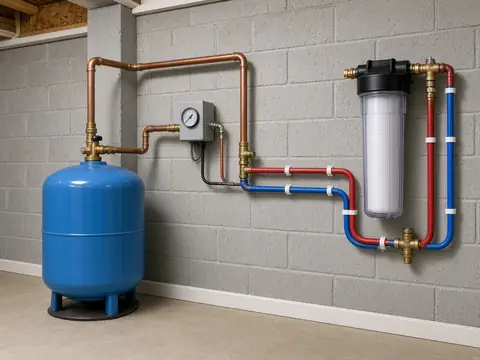
Pumps & pressure tanks
No water, low pressure, short cycling or a tank that has given out.
Start this request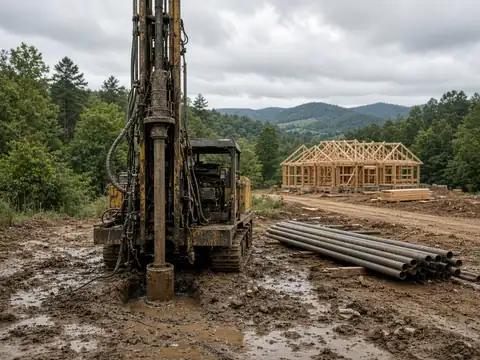
New construction
Plan the well early, alongside septic, driveway and house placement.
Start this requestAlso requested
New residential water wells
Drilling, casing, grouting, and pump installation for homes on property without public water. The driller will ask about the house location, septic location and access for the rig.
Well pump replacement and repair
Submersible pump failures, pressure switch problems, bad check valves and wiring faults are common reasons for losing water. Many well contractors handle pump service as well as drilling.
Pressure tanks and controls
Waterlogged or failing pressure tanks cause rapid pump cycling, which shortens pump life. Constant-pressure systems are an option for some homes.
Well deepening and low-yield problems
When a well no longer keeps up, options can include deepening, hydrofracturing, adding storage, or drilling a new well. A driller can tell you which makes sense.
Water testing and treatment referrals
New wells should be tested for bacteria and basic water quality. Drillers often recommend testing labs and may install treatment such as sediment filters, softeners or UV disinfection.
Agricultural and livestock wells
Wells for barns, pasture watering and gardens, which often have different flow needs from household wells.
Geothermal boreholes
Closed-loop geothermal heat pump systems use drilled boreholes, which in Tennessee also require a Notice of Intent filed before drilling.
Well abandonment
Old or unused wells should be properly sealed to protect groundwater. Licensed drillers handle this.
What affects the cost of a well
Every job is quoted individually by the provider. These are the factors that usually move the number, so you know what to expect and what to put in your request.
Depth
Most drillers price by the foot, so final depth is the biggest variable. In karst bedrock, depth can range widely even on the same road. Ask how the driller prices if the hole goes deeper than expected.
Casing and grout
Steel or PVC casing is set through soil and weathered rock into competent bedrock and grouted to keep surface water out. Deeper overburden means more casing.
Pump, tank and controls
Pump size depends on depth to water and household demand. Constant-pressure systems cost more up front than a standard pump and pressure tank.
Site access
The rig is a heavy truck. Steep driveways, soft ground, tight spots and trees can add time or require site work.
Trenching and connection
Running the water line from the well to the house, plus electrical from the panel to the pump, may or may not be included.
Water quality
If testing shows bacteria, iron, manganese, hardness or sediment, treatment adds to the cost. Test before you budget for final fixtures.
Drilling a well in East Tennessee
Plenty of homes around Knoxville rely on private wells, especially in the rural parts of Knox, Blount, Sevier, Grainger, Union and Anderson counties, where city water lines don't reach or cost a lot to extend. If you're building on land without public water, buying a property with an aging well, or dealing with a pump that has stopped, a licensed well driller is the person you need.
Groundwater in the Knoxville area mostly comes from fractured bedrock. Much of the region sits in the Valley and Ridge province, where limestone and dolomite are common and openings in the rock, including karst features like solution channels, carry water. That geology means two wells a few hundred feet apart can hit water at very different depths and produce very different amounts. Nobody can promise a depth or yield in advance, but a driller who has worked nearby for years can give you a realistic range based on wells in your area.
We don't drill wells. KnoxvilleWellDrilling.com is a free matching service run by Voraus LLC. You describe your property and project once, and we send the request to one independent driller who serves your area. We ask drillers to confirm they hold a current TDEC license. The driller quotes, files the required state paperwork and contracts with you directly. You're never obligated to hire anyone.
Before the rig shows up
Think about where the well should go before talking with a driller. Tennessee rules and good practice keep wells separated from septic tanks and drain fields, livestock areas, fuel tanks and property lines, so sketch your lot with those features marked. The driller also needs a path for a heavy truck-mounted rig, firm ground to set up on, and overhead clearance from power lines and tree limbs.
Gather what you know about nearby wells. Neighbors can often tell you roughly how deep their wells are and whether they've had issues with yield, sediment or odor. That isn't a guarantee for your lot, since geology in East Tennessee can change over short distances, but it gives the driller and you a starting expectation.
Plan for the whole system, not just the hole. A working water supply usually includes the pump, pressure tank, wiring, a trench and line to the house, and often water treatment. Some drillers handle all of it; others drill and case the well and leave the rest to a pump installer or plumber. Testing your water after the well is finished is a smart step, and the Tennessee Department of Health and UT Extension both publish guidance on private well water testing.
Licensing and what to check
In Tennessee, water well drillers and pump installers must be licensed through TDEC's Division of Water Resources, and licenses are renewed annually. Before you hire, ask for the driller's license number and check it against TDEC's licensed driller list. We ask drillers to confirm they hold a current license, but we don't verify licenses ourselves, so please check it yourself.
We don't drill, inspect or warranty any work, and a match isn't an endorsement. Ask for a written estimate that explains per-foot pricing, casing, grouting and what happens if water is not found at the expected depth.
Questions worth asking a well driller
- What is your TDEC license number, and will you file the Notice of Intent?
- What depths and yields are typical for wells near my property?
- How do you price per foot, and is there a maximum depth before we talk again?
- How much casing do you expect, and how is it grouted?
- Are the pump, pressure tank, trenching and electrical included?
- Do you disinfect the well and recommend a lab for water testing?
What's different about wells around Knoxville
Karst geology is the big one. Limestone and dolomite under much of the Valley and Ridge can dissolve over time, creating fractures and cavities that carry water. Hitting a good fracture can produce plenty of water at modest depth, while missing one can mean drilling deeper. Karst also means surface water can move quickly into the aquifer, which is why proper casing and grouting and keeping wells away from septic fields and livestock areas matter so much here.
Ridges and hollows affect both the drilling and the rig's access. Properties on ridge tops in parts of Knox, Blount and Sevier counties may face deeper water and steep access roads, while valley properties may be closer to water but also closer to streams, floodplains and potential contamination sources. Your driller will look at where the well can go relative to the house, the septic system and property lines.
Tennessee requires a Notice of Intent to be filed with the Tennessee Department of Environment and Conservation before any water well is drilled, either by the property owner or by the licensed driller on the owner's behalf, and the driller must submit a well completion report after drilling. Wells serving many people may be treated as public water systems with additional review. Your driller should handle the notice and report and can tell you about any county health department or local requirements.
After a new well is completed, or after any repair that opens the system, it's wise to disinfect the well and test the water for bacteria before drinking it. State-certified labs can test for total coliform and E. coli, and drillers can usually point you to one nearby.
Areas we take requests from
Knox, Blount, Sevier, Jefferson, Grainger, Union, Anderson and Loudon counties are the main coverage area.
- Knoxville
- Powell and Heiskell
- Halls and Corryton
- Maryville and Alcoa
- Seymour
- Sevierville and Kodak
- Strawberry Plains and Dandridge
- Maynardville
- Rutledge and Blaine
- Clinton and Norris
- Oak Ridge
- Lenoir City and Loudon
- Louisville
Common questions
Straight answers about well drilling around Knoxville and how this free service works.
Are you a well drilling company?
No. KnoxvilleWellDrilling.com is a free matching service run by Voraus LLC. We pass your request to an independent local well driller, who quotes and does the work under their own contract. We ask drillers to confirm their state licensing, and you should verify it too.
Does this service cost me anything?
No. It's free for property owners. Drillers may pay us a referral fee. You never pay us anything, and you're free to get other quotes.
How deep will my well be?
No one can promise a depth in advance. In the Knoxville area's fractured bedrock, depths vary a lot even between neighbors. A local driller can give you a realistic range based on nearby wells.
Do I need a permit to drill a well in Tennessee?
A Notice of Intent must be filed with TDEC before a water well is drilled, either by you or by the licensed driller on your behalf, and the driller must file a completion report afterward. Some counties have additional health department requirements. Your driller will know what applies.
How far does a well need to be from my septic system?
State rules and local health departments set minimum separation distances between wells and septic systems. Your driller and septic designer should coordinate placement.
How long does drilling take?
The drilling itself often takes a day or two once the rig is on site. Scheduling, the pump installation and connection to the house add time.
Ready to get your well drilling project moving?
You don't need technical details to start. Something like "new house on 5 acres near Maryville, no city water, want water before spring" is enough for a driller to begin the conversation.